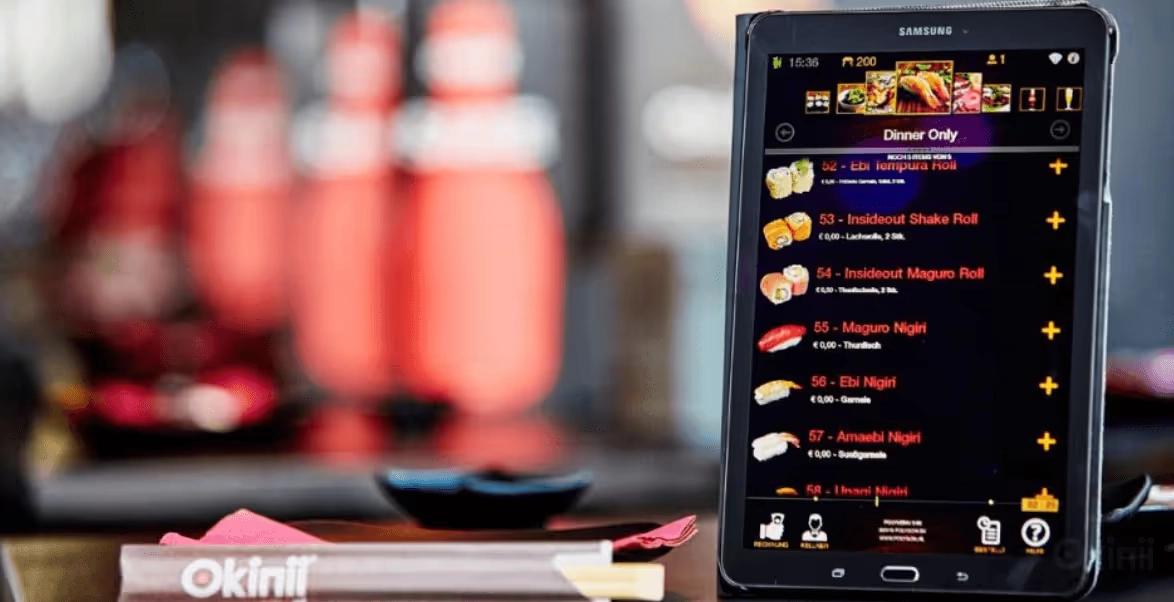
Operational strategies for running a profitable all-you-can-eat restaurant. Covers round management, food waste reduction, staff optimization, menu design, POS integration, and performance measurement.
The Operational Challenge of All-You-Can-Eat Restaurants
All-you-can-eat (AYCE) restaurants operate under a fundamentally different economic model than traditional restaurants. Revenue is fixed per guest, but costs are variable — making operational efficiency the primary driver of profitability. Every extra plate of food that gets wasted directly erodes your margin.
The core challenge is balancing guest satisfaction with cost control. Guests expect unlimited choice and quick service. However, without structured ordering and portion management, food waste can consume 20–30% of food costs according to UNEP food waste research.
This guide covers the operational strategies and digital tools that successful AYCE restaurants use to maintain profitability while delivering an excellent guest experience.
Round Management: The Key to AYCE Profitability
Round management is the single most impactful operational tool for AYCE restaurants. Instead of allowing unlimited simultaneous ordering, a round-based system structures the dining experience into controlled intervals.
How Round Management Works
Guests place orders in rounds — typically every 10–15 minutes. After submitting a round, a timer counts down before the next round becomes available. This creates a natural pacing that benefits both the kitchen and the guest experience.
Why Rounds Matter
Without rounds, guests tend to over-order in the first minutes — ordering 15–20 items at once. Most of this food goes uneaten. With round management, guests order 3–5 items per round, evaluate what they have, and order more only if they are still hungry. Data from 2,000+ AYCE locations shows this approach reduces food waste by up to 35%. The National Restaurant Association identifies round-based ordering as a best practice for buffet and AYCE concepts.
Configuring Round Intervals
The optimal round interval depends on your concept:
• Sushi/Asian AYCE: 10–12 minute intervals work well because items are small and consumed quickly
• BBQ/Grill AYCE: 15–20 minute intervals allow for longer preparation and eating time
• Buffet-style AYCE: Rounds may not apply; focus on portion tracking instead
Round Limits
Some AYCE restaurants set a maximum number of items per round (e.g., 5–8 items per person) to further control waste. The limit should be generous enough that guests feel unrestricted but structured enough to prevent extreme over-ordering.
Reducing Food Waste: Strategies That Work
Food waste is the largest controllable cost in AYCE operations. Reducing waste directly increases your profit per guest.
Digital Ordering with Accountability
When guests order digitally (via QR code or tablet at the table), every order is tracked and attributed to a specific table. This creates natural accountability — guests are less likely to over-order when their selections are recorded. Some AYCE venues display a gentle reminder about waste fees in the ordering flow, which reduces over-ordering by 15–20%.
Portion Size Optimization
Serve smaller portions per item so guests can try more variety without waste. Two pieces of sushi per selection instead of three, or smaller grill portions that encourage re-ordering. Guests experience more variety while total food usage decreases.
Kitchen Preparation Pacing
With round-based ordering, the kitchen receives orders in structured batches rather than chaotic bursts. This allows chefs to prepare items closer to consumption time, reducing food that sits too long and gets discarded. According to FAO research, preparation timing is one of the most effective levers for waste reduction in food service.
Menu Item Analysis
Track which items get ordered but left uneaten most frequently. Remove or reformulate these items. Digital ordering platforms provide this data automatically — showing order counts, waste indicators, and popularity trends.
Staff Optimization: Empower Your Team to Do More
AYCE restaurants traditionally require significant staff for order-taking because guests order continuously. Digital ordering fundamentally changes this equation.
Traditional AYCE Staffing
In a traditional paper-based AYCE model, servers walk to each table every round, take handwritten orders, and relay them to the kitchen. For a 40-table venue, this requires 4–6 dedicated order-taking staff during peak hours.
Digital AYCE Staffing
When guests order via QR code or tablet, orders flow directly to the kitchen. Servers focus on food delivery, table clearing, and hospitality. Venues using digital ordering report up to 40% less serving work. For the same 40-table venue, your existing team can handle the dining room more efficiently — without needing to hire additional staff as you grow.
Refocus Your Team
The freed-up time is not lost but put to better use. Successful AYCE venues let their team focus on:
• Guest interaction and hospitality (the personal touch guests appreciate)
• Faster food delivery (shorter time from kitchen to table)
• Better table clearing (keeping the dining area clean during service)
• Bar and beverage upselling (drinks are typically not included in AYCE pricing and represent high-margin revenue)
Menu Design for AYCE Profitability
Your AYCE menu directly impacts both food costs and guest satisfaction. Strategic menu design balances variety with cost control.
Item Costing
Not all menu items cost the same to produce. Map every item's food cost and categorize them as low-cost (rice dishes, vegetables, soups), medium-cost (chicken, basic sushi rolls), and high-cost (premium fish, wagyu, seafood). A profitable AYCE menu includes a wide selection of low- and medium-cost items with a curated selection of premium items.
Menu Positioning
Place lower-cost items at the top of each category where they get the most visibility. Premium items can be positioned in a separate "special" or "chef's selection" category. Digital menus allow you to control this positioning dynamically.
Visual Emphasis
Spotlight your most popular dishes with high-quality photos. Items with attractive images get ordered more often, helping guests discover more variety and find their favourites faster. A well-visualised menu increases guest satisfaction and speeds up the ordering process.
Seasonal Rotation
Rotate 10–15% of your menu quarterly to maintain guest interest and prevent fatigue. Seasonal items can be sourced at lower cost (in-season produce) while creating a sense of novelty that drives repeat visits.
Upselling Beyond AYCE
Use the digital ordering system to suggest items outside the AYCE package — premium drinks, specialty cocktails, desserts, or premium menu upgrades. These incremental sales are pure margin. Data from AYCE venues shows up to 30% higher average table revenue when digital upselling is active. Research from McKinsey confirms that digital ordering consistently drives higher per-guest spending across hospitality formats.
POS Integration for AYCE Venues
AYCE ordering has specific POS requirements beyond standard restaurant integration. Your POS system must handle the AYCE pricing model correctly.
Fixed Price per Guest
The POS must support a fixed all-inclusive price per guest (often differentiated by adult/child/time slot) with individual item tracking for kitchen routing but not for pricing. This is fundamentally different from à la carte pricing.
Round Tracking
The POS integration should track round numbers per table so servers and kitchen staff know which round they are serving. This helps with service pacing and identifies tables that may need attention.
Waste Fee Handling
Some AYCE venues charge for excessive waste. The POS system must support adding waste fees to the final bill when applicable.
Time-Based Pricing
Many AYCE venues offer different pricing for lunch vs. dinner, weekday vs. weekend, or different time slots. The POS integration should handle these price tiers automatically based on the reservation or seating time.
Leading AYCE ordering platforms integrate with 15+ POS systems. According to Hospitality Technology, POS compatibility is the #1 selection criterion for AYCE digital ordering systems.
Measuring AYCE Performance: Key Metrics
Track these metrics to continuously optimize your AYCE operation:
Food Cost per Guest
Total food cost divided by number of guests. This is your most important profitability metric. Track it daily and compare against your fixed AYCE price to understand your margin.
Items Ordered per Guest
Average number of items ordered per guest per visit. Compare this before and after implementing digital ordering and round management. A decrease indicates better waste control without necessarily impacting satisfaction.
Waste Rate
Percentage of food prepared that is returned or discarded. Measure by weight or by item count. Healthy AYCE operations target below 10% waste rate.
Table Turnover Time
Average time from seating to payment. Faster turnover means more covers per service period. Digital ordering typically reduces table time by 10–15 minutes because guests order immediately rather than waiting for a server.
Revenue per Table per Hour
Combines AYCE price, upsell revenue (drinks, extras), and turnover rate. This is your operational efficiency metric. Track trends over time and compare against Statista hospitality benchmarks to identify optimization opportunities.
Round Completion Rate
How many rounds do guests typically order? If most guests stop after 3 rounds but your system allows 8, your round limits and interval timing may need adjustment.
Frequently Asked Questions
What is the biggest challenge in AYCE operations?
Controlling food waste while maintaining guest satisfaction. Round-based digital ordering is the most effective solution, reducing waste by up to 35% while improving the guest experience through faster, more accurate ordering.
How does digital ordering reduce waste in AYCE?
Digital ordering introduces round management (controlled intervals between orders), tracked ordering (accountability per table), and portion control. Guests order in smaller batches and consume more of what they order.
What is the ideal round interval?
10–15 minutes for sushi and small-plate concepts, 15–20 minutes for grill and BBQ formats. The interval should be long enough for guests to receive and consume their order, but short enough that they do not feel restricted.
Can AYCE ordering work with my POS system?
Leading platforms integrate with 15+ POS systems including Lightspeed, unTill, Oracle MICROS, and Vectron. Always verify your specific POS brand and version supports AYCE-specific features (round tracking, fixed pricing).
Do I need to hire more staff as my venue gets busier?
Not necessarily — digital ordering handles order-taking, so your existing team can do more without needing to expand. Venues report up to 40% less serving work, allowing staff to focus on hospitality, faster food delivery, and a better guest experience.
Want to see how digital AYCE ordering works in practice? Explore AYCE ordering or request a demo tailored to your restaurant concept.
Share this article