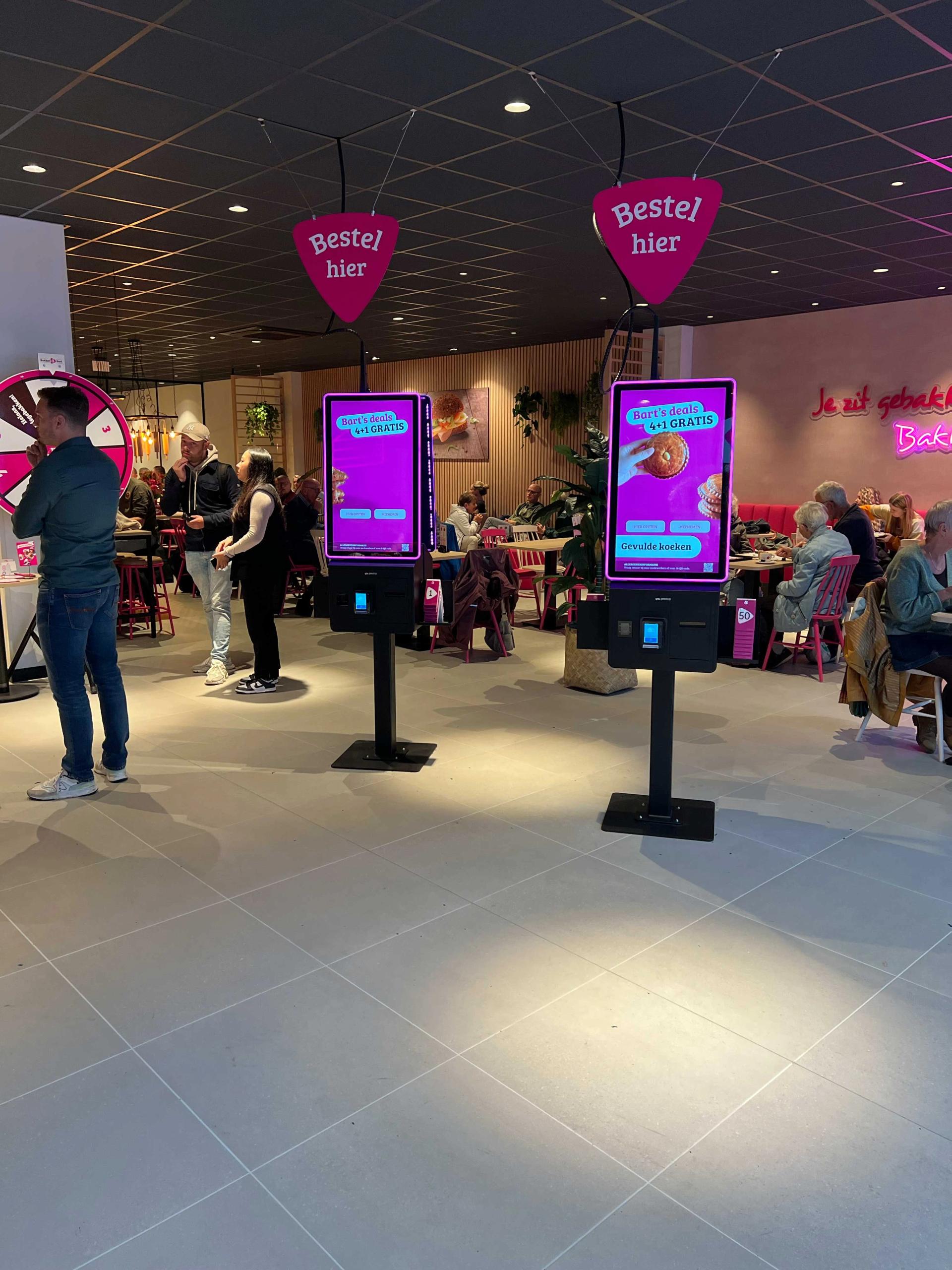
In hospitality, AI is currently used mainly for translating, writing texts and organising data. It does not replace hospitality. This sober overview shows where AI already sits in the ordering process today, what is simply a setting, what remains people's work, and which questions to ask a supplier that promises AI.
What does AI mean for a restaurant?
AI (artificial intelligence) is a collective name for software that carries out tasks that used to need a person, such as translating a text, writing a description or finding a pattern in figures. In a restaurant, that currently comes down to three things: translating, producing texts and organising data.
The word is also often used for things that are not AI. A rule such as "suggest fries with a burger" is a setting, not intelligence. The distinction is useful: a setting does exactly what you decided, whereas the output of AI always needs a quick read-through.
AI-translated menus and language detection

The clearest application in the ordering process is translation. In Jamezz, menu texts are translated automatically with AI. The platform supports 25+ languages; you choose which languages you offer and adjust a translation where it is wrong or does not suit your venue.
In addition, the guest's language is detected automatically. For a venue with tourists or international guests, that can save explaining at the table. How a menu without ordering works is described under digital menu with QR code.
Suggestions while ordering: set by you, shown at the right moment
While ordering, a guest can get suggestions: a sauce with the fries, a drink with the sandwich. With Jamezz you decide these suggestions yourself. Per product you set what is suggested and whether the choice is optional or mandatory. Suggestions can depend on what is in the basket, the time of day, the location and the weather.
These are settings that you manage. The advantage is that you know why a guest sees a suggestion, and that you can change it or switch it off. What makes a good suggestion is covered in the psychology behind upselling.
Reports: the data behind every AI decision
Every AI application you choose later needs reliable data. Without good sales figures there is nothing to analyse. So start with your reports.
In Jamezz the reports are extensive and include revenue per ordering channel and a comparison between locations. You view them straight away, download them or have them emailed automatically. Which figures are worth following is explained in the article on restaurant KPIs.
What stays human
Welcoming a guest, recommending a wine, resolving a complaint, tasting whether the dish is right: that remains people's work. Technology can make room for it. When guests order and pay themselves, the team can keep time for contact with the guest.
That is also the sober way to look at a stretched team; see the guide on staff shortages in hospitality and the overview of restaurant technology trends.
Five questions to ask a supplier that promises AI
1. What exactly does it do? Ask for one concrete example from a venue like yours.
2. Can I configure it or switch it off myself? You must stay in control of what the guest sees.
3. Which data does it use? And whose data is it.
4. Does it work in my languages? Test it with your own menu.
5. What if it goes wrong? Who corrects a wrong translation or suggestion, and how quickly?
Want to see how the translated menu and the suggestions work in practice? Request a demo.
Frequently asked questions
How is AI used in restaurants today?
Mainly for translating, writing texts and organising data. Hospitality, advice and resolving complaints remain people's work.
Can AI translate my menu?
Yes. In Jamezz, menu texts are translated automatically with AI. The platform supports 25+ languages; you choose the languages and adjust a translation where needed.
Does the ordering system recognise the guest's language?
Yes. In Jamezz the guest's language is detected automatically.
Are upsell suggestions made by AI?
With Jamezz you set the suggestions yourself, per product and as optional or mandatory. They can depend on the basket, the time of day, the location and the weather.
Will AI replace restaurant staff?
Guests can do the ordering and paying themselves; the team can then keep time for welcoming, advising and serving. That contact remains people's work.
What data do I need before using AI in my restaurant?
Reliable sales figures: what was sold, per ordering channel and per location. You get these from the reports of your ordering system.
Share this article